

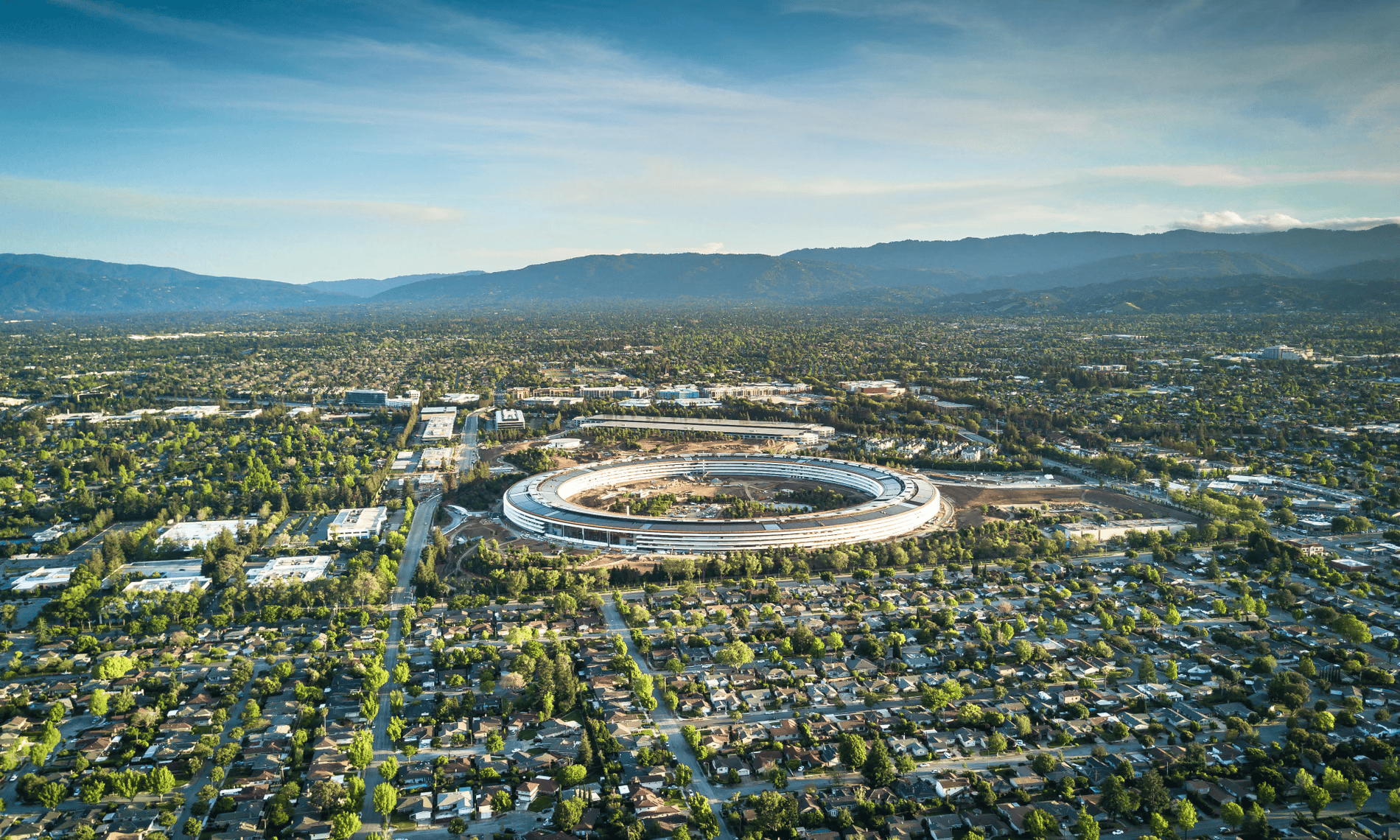
On 8 July 2026, the InterUSS Platform welcomed technical representatives, implementers, and platform superusers to Mountain View, California, for its first-ever User Focus Group. The workshop was designed to create a dedicated forum for direct dialogue between InterUSS contributors and organizations actively deploying and operating InterUSS solutions, with the shared objective of exchanging feedback, discussing technical priorities, and shaping future collaborative development efforts.
The event brought together stakeholders from across the UTM ecosystem for a full day of technical discussions focused on DSS (Discovery and Synchronization Service) performance and scalability, automated testing, and community ways of working.
Focus on DSS Performance and Scalability
The morning sessions centred on one of the community’s key priorities: ensuring the DSS architecture can effectively support future operational growth. With thousands of flights per day in the US UTM Implementation already, users are already planning for far greater scale. The InterUSS Technical Steering Committee provided an overview of current work on DSS performance improvements, scalability initiatives, load testing efforts, and the ongoing investigation into application-layer consensus as a future architectural direction.
The discussion focused on the emerging Raft-based implementation being explored within the application-layer consensus effort. Participants reviewed early implementation work, performance considerations, deployment architectures, and potential approaches to increase scalability while simplifying operational complexity. The workshop also examined how future DSS hosting models could support organizations seeking either to operate their own DSS infrastructure or consume DSS services provided by others.
User feedback highlighted the importance of clearly documenting deployment assumptions, supported configurations, system boundaries, scalability expectations, and performance benchmarks. Participants expressed a strong interest in making technical guidance more accessible to both implementers and regulators while ensuring platform evolution remains aligned with real-world operational needs.
Strengthening the User Feedback Loop
Another valuable outcome of the workshop was the candid discussion around issue management, communication channels, and collaboration between users and contributors.
Participants emphasized the importance of making information easier to discover, improving visibility into technical priorities, and providing clearer roadmaps for ongoing development work. Suggestions included enhancing release communications, improving ticket categorization, simplifying issue tracking, and creating clearer feedback channels between operational users and the InterUSS community, which both the Technical Steering Committee and Outreach Committees will be undertaking.
Advancing Automated Testing
The afternoon sessions shifted focus to automated testing, another key strategic area for the Platform. InterUSS contributors shared updates on ongoing efforts to improve the Automated Test Suite, enhance testing performance, and expand support for future UTM verification scenarios.
Discussions explored opportunities to reduce testing times through increased parallelization, improve test environment separation, and refine test scenarios to better represent operational realities. Participants also examined approaches for modelling complex behaviours and failure conditions while maintaining confidence in interoperability testing outcomes.
Attendees also highlighted the operational challenges of running large-scale test campaigns and suggested more flexible approaches to test execution and troubleshooting. These conversations provided valuable input for ongoing work to make automated testing more scalable, efficient, and accessible to implementers.
Collaboration and Community Growth
The final sessions focused on InterUSS governance, engagement opportunities, and the community’s ways of working. Attendees reviewed existing collaboration channels, contribution processes, and opportunities to participate in technical discussions through the Technical Steering Committee and broader InterUSS community activities.
Participants discussed how release communications, GitHub activity, Slack channels, and community meetings could be enhanced to help users stay informed and engaged. The conversation reinforced the community’s shared commitment to transparency, open collaboration, and continuous improvement.
Key Outcomes and Next Steps
The event demonstrated the value of direct engagement between contributors and the organizations deploying InterUSS technologies in operational environments. By bringing together platform users and technical contributors, the User Forum created a practical space to identify challenges, validate priorities, and collaboratively shape future development efforts.
The conversation will continue at the next Advisory Council and market-minded panel discussion, scheduled to take place in Tokyo, Japan, during the Harmonized Skies conference (5–6 October 2026).

